Fiberglass sheets are composite materials made from a matrix of glass fibers and a resin, typically epoxy or polyester. They are known for their strength, lightweight nature, durability, and resistance to various environmental conditions, including moisture, chemicals, and UV radiation. Here are some key aspects of fiberglass sheets:
ONE STOP SOLUTION FOR ALL YOUR ROOFING NEEDS

Fiberglass Sheet
Fiberglass Sheet
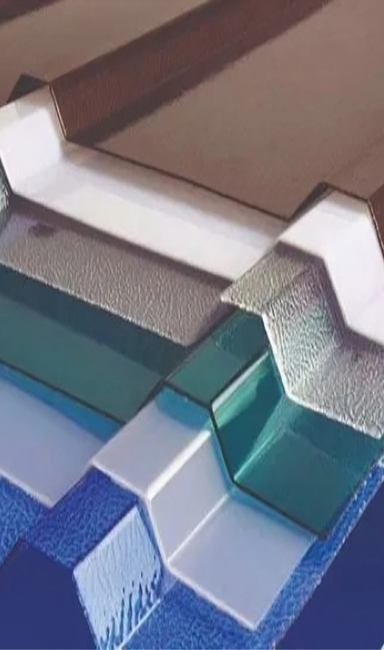
Advantages
Durability
Fiberglass sheets are resistant to impact, corrosion, and chemicals, making them suitable for harsh environments. They can withstand extreme weather conditions, which enhances their longevity.
Lightweight
Compared to materials like metal or glass, fiberglass is lighter, which makes it easier to handle and install. This can lower transportation costs and ease the construction process.
Easy to Fabricate
Fiberglass can be cut, shaped, and bonded easily, allowing for quick modifications and adjustments in projects.
Additional Information
Composition
- Glass Fibers: These provide tensile strength and reinforcement to the material.
- Resin: This binds the glass fibers together and provides additional properties such as flexibility and resistance.
Types
- Fiberglass Reinforced Plastic (FRP): A composite material made of a polymer matrix reinforced with fiberglass.
- Laminated Fiberglass Sheets: Often made through a layering process to enhance strength and durability.
- Sheet Molding Compound (SMC): A type of fiberglass sheet that combines resins and fillers before molding.
Properties
- Strength: Excellent tensile and compressive strength, making it suitable for structural applications.
- Lightweight: Much lighter than traditional materials like steel or wood.
- Corrosion Resistance: Resistant to chemicals, moisture, and UV degradation, making it ideal for use in harsh environments.
- Thermal Insulation: Good thermal insulation properties.
Applications
- Construction: Used as cladding, roofing, and in fiberglass panels for walls.
- Automotive: Common in body panels and components for its lightweight and strength.
- Marine: Used in boat hulls and components due to its water resistance.
- Electrical: Insulating panels and barriers.
- Industrial: Used in tanks, pipes, and other applications where corrosion resistance is necessary.
Fabrication and Processing
Fiberglass sheets can be cut, molded, and shaped using various fabrication techniques, including:
- Cutting: Using saws or cutting tools can produce precise shapes.
- Molding: Thermoforming or compression molding techniques are often used.
- Joining: Can be glued, screwed, or mechanically fastened together.
Environmental Considerations
While fiberglass is durable and long-lasting, the production process can have environmental impacts, including the release of volatile organic compounds (VOCs) from the resins. Additionally, recycling fiberglass can be challenging, though there are some advancements in this area.
Safety Considerations
When working with fiberglass sheets, it is important to wear protective gear, such as gloves and masks, to avoid skin irritation and inhalation of glass fibers.
In summary, fiberglass sheets are versatile materials that play a significant role in various industries due to their unique combination of strength, weight, and resistance to environmental factors.